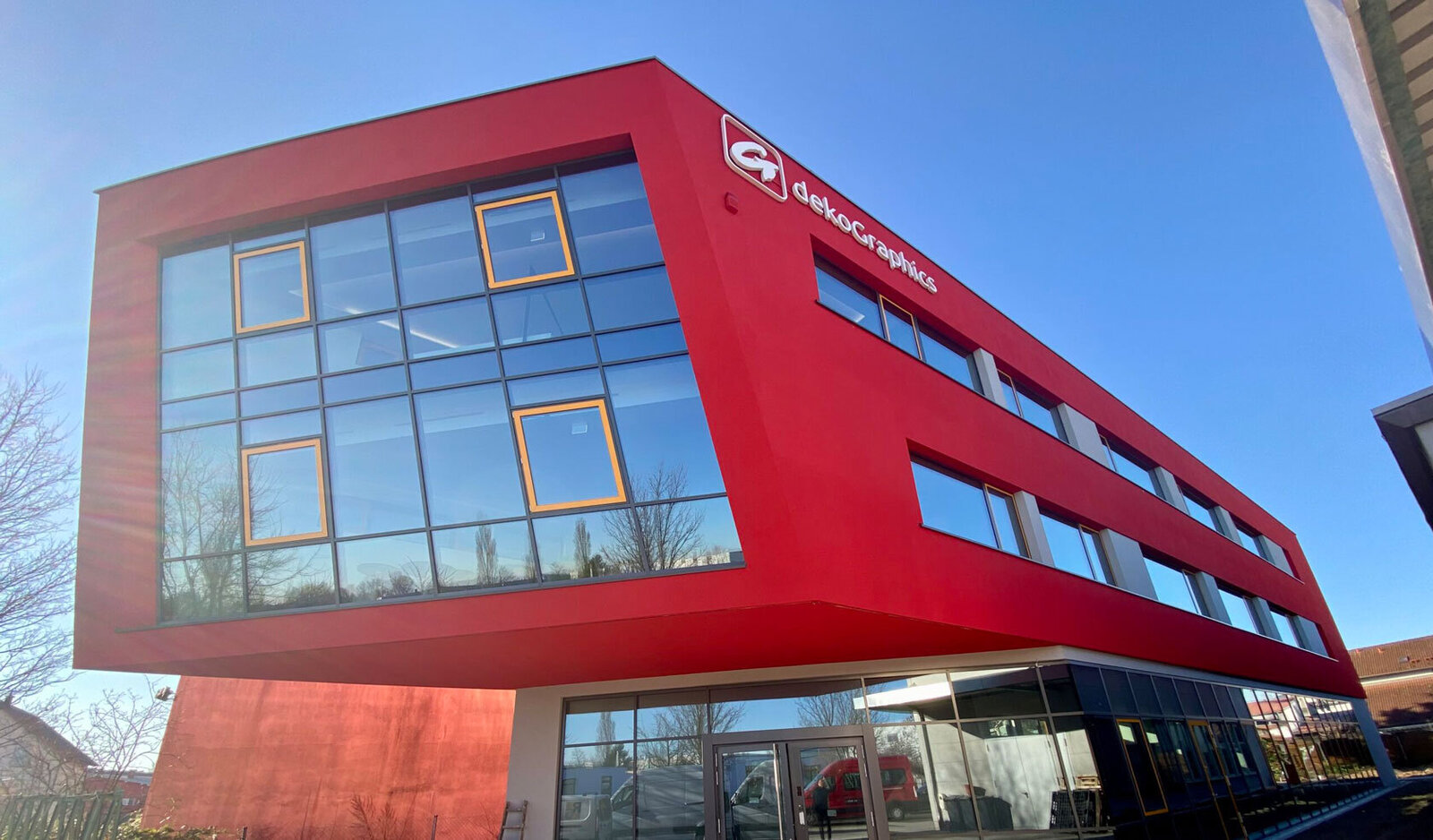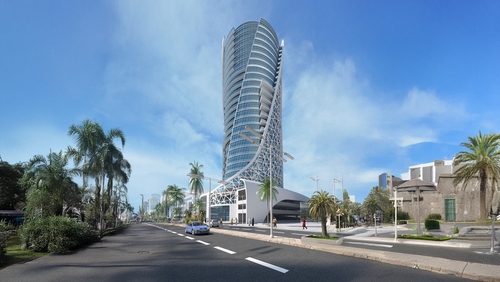
In Doha, Qatar, visionary construction projects are being created that not only impress architecturally, but also use energy intelligently.
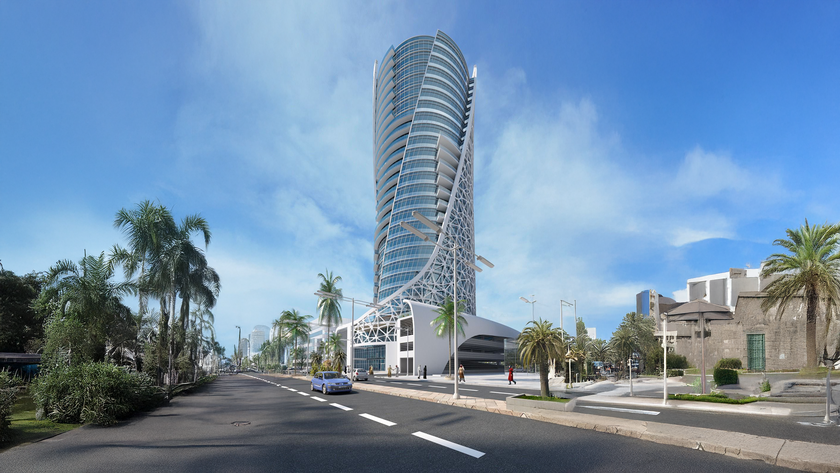
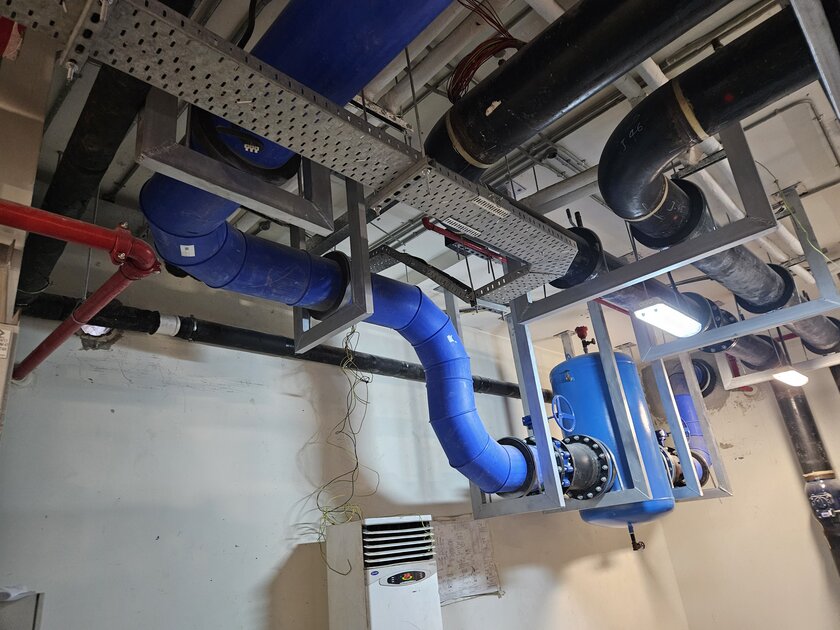
For example, the Qatar Charity Residential Tower shows how the aquatherm blue piping system ensures efficiency.
The Qatar Charity Residential Tower is a showcase project for affordable housing. Built by the humanitarian organisation Qatar Charity, the residential complex not only provides space for families in need but also serves as a centre for education and health initiatives. Eco-friendly technologies and energy-efficient solutions underline Qatar Charity's goal of creating a long-term positive impact on both people and the environment.
For the building's cooling system, the aquatherm blue piping system, made of polypropylene, was chosen. It ensures efficient cooling, is corrosion-free, resistant to incrustation, low-maintenance, and helps reduce construction time through fast connection technology. During installation, the pipe and fitting are briefly heated with specialised tools and then joined together. This process creates a homogeneous, material-locking unit that provides double safety at the typically critical connection point of the piping system.
A comparative life cycle analysis with steel and PVC pipes has shown that aquatherm blue pipes have a lower environmental impact: for example, lower greenhouse gas emissions, a lower acidification potential or a lower ozone depletion potential. The production of plastics requires less energy than the production of metals. Building materials made from plastic therefore generate up to 37% fewer CO2 emissions during the manufacturing process than those made from metallic materials (Source: Cradle-to-Grave Study of Competing Piping Systems). Furthermore, the polypropylene material fusiolen® PP-R/PP-RCT can be recycled up to 100% if the appropriate technical infrastructure is in place.