
Intro
Climate protection, green energy and clean water. With all our actions, we want to contribute to preserving the natural foundations of life everywhere in the world.
Our sustainable products, our comprehensive service and our leading expert knowledge are part of the solution on the way to a climate-neutral life. For this reason, we have developed the "Mission 2025" with numerous internal and external measures. In this way, we support the sustainability goals of the "Agenda 2030", which the global community launched in 2015.


Blog
Articles worth reading from the world of plastic pipes (copy 1)
<div class="hs-featured-image-wrapper">
<a href="https://blog.aquatherm.de/en-gb/drinking-water-supply-systems-planning-infrastructure" title="" class="hs-featured-image-link"> <img src="https://blog.aquatherm.de/hubfs/aqa_blog_titel_und_feature_image_2400x1254(2).jpg" alt="Drinking water supply" class="hs-featured-image" style="width:auto !important; max-width:50%; float:left; margin:0 15px 15px 0;"> </a>
</div>
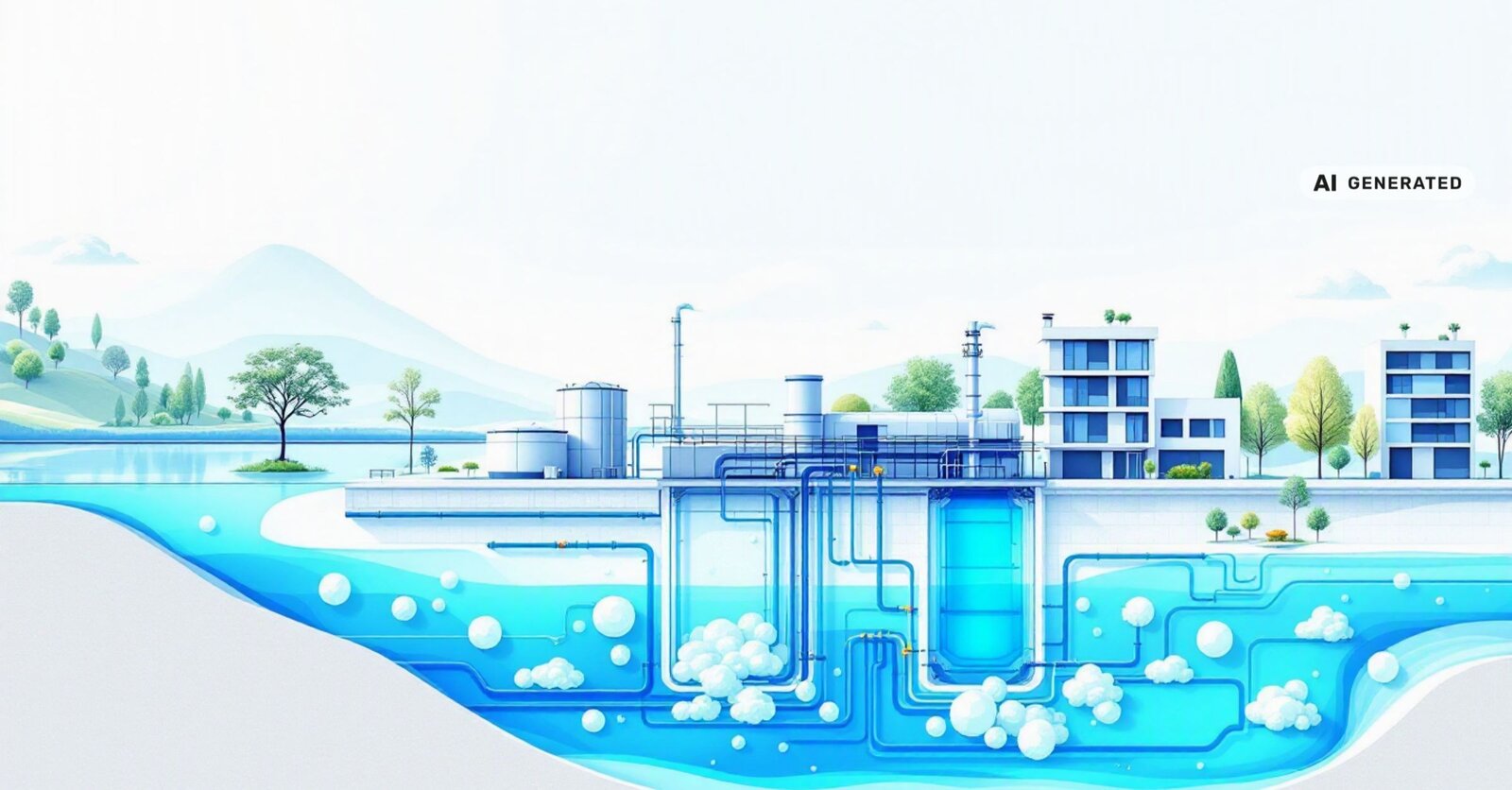
<p><span>According to the WHO and UNICEF, more than two billion people have no access to a safely managed drinking water supply. However, even in regions outside these hotspots, demands are rising: ageing networks, climate change, water stress, new pollutants, higher hygiene standards and more complex buildings are changing the conditions under which drinking water is supplied and distributed.</span></p>
<div class="hs-featured-image-wrapper">
<a href="https://blog.aquatherm.de/en-gb/drinking-water-hygiene-what-matters" title="" class="hs-featured-image-link"> <img src="https://blog.aquatherm.de/hubfs/Trinkwasserhygiene_Blogbild.jpg" alt="Trinkwasserhygiene: Worauf es in Gebäudeinstallationen ankommt" class="hs-featured-image" style="width:auto !important; max-width:50%; float:left; margin:0 15px 15px 0;"> </a>
</div>
<p><span>For most people in industrialised countries, drinking water hygiene is taken for granted. But is that really the case? Maintaining the high standards of the public supply network throughout a building’s plumbing system depends on the interplay between the drinking water system, the choice of materials and how the system is operated. This is because responsibility shifts at the point where the supply enters the building. From this point onwards, it is the responsibility of building services engineers, specialist tradespeople and operators to guarantee drinking water hygiene.</span></p>

<div class="hs-featured-image-wrapper">
<a href="https://blog.aquatherm.de/en-gb/legionella-in-drinking-water-responsibilities-prevention" title="" class="hs-featured-image-link"> <img src="https://blog.aquatherm.de/hubfs/Legionellen_im_Trinkwasser_Blogbild-1.jpg" alt="Legionella in drinking water: Responsibilities & prevention" class="hs-featured-image" style="width:auto !important; max-width:50%; float:left; margin:0 15px 15px 0;"> </a>
</div>
<p><span>When does a drinking water installation become a risk? Whenever Legionella bacteria are detected in drinking water through laboratory analysis, it highlights just how closely responsibilities, prevention and technical planning are interlinked. </span></p>
<div class="hs-featured-image-wrapper">
<a href="https://blog.aquatherm.de/en-gb/adsorption-chillers-shipbuilding-technology" title="" class="hs-featured-image-link"> <img src="https://blog.aquatherm.de/hubfs/Blog/Adsorptionsk%C3%A4ltemaschine%20im%20Schiffbau/adsorptionskaeltemaschine-im-schiffbau-technik-und-einsatz.jpg" alt="Adsorption chillers in shipbuilding: technology and applications" class="hs-featured-image" style="width:auto !important; max-width:50%; float:left; margin:0 15px 15px 0;"> </a>
</div>
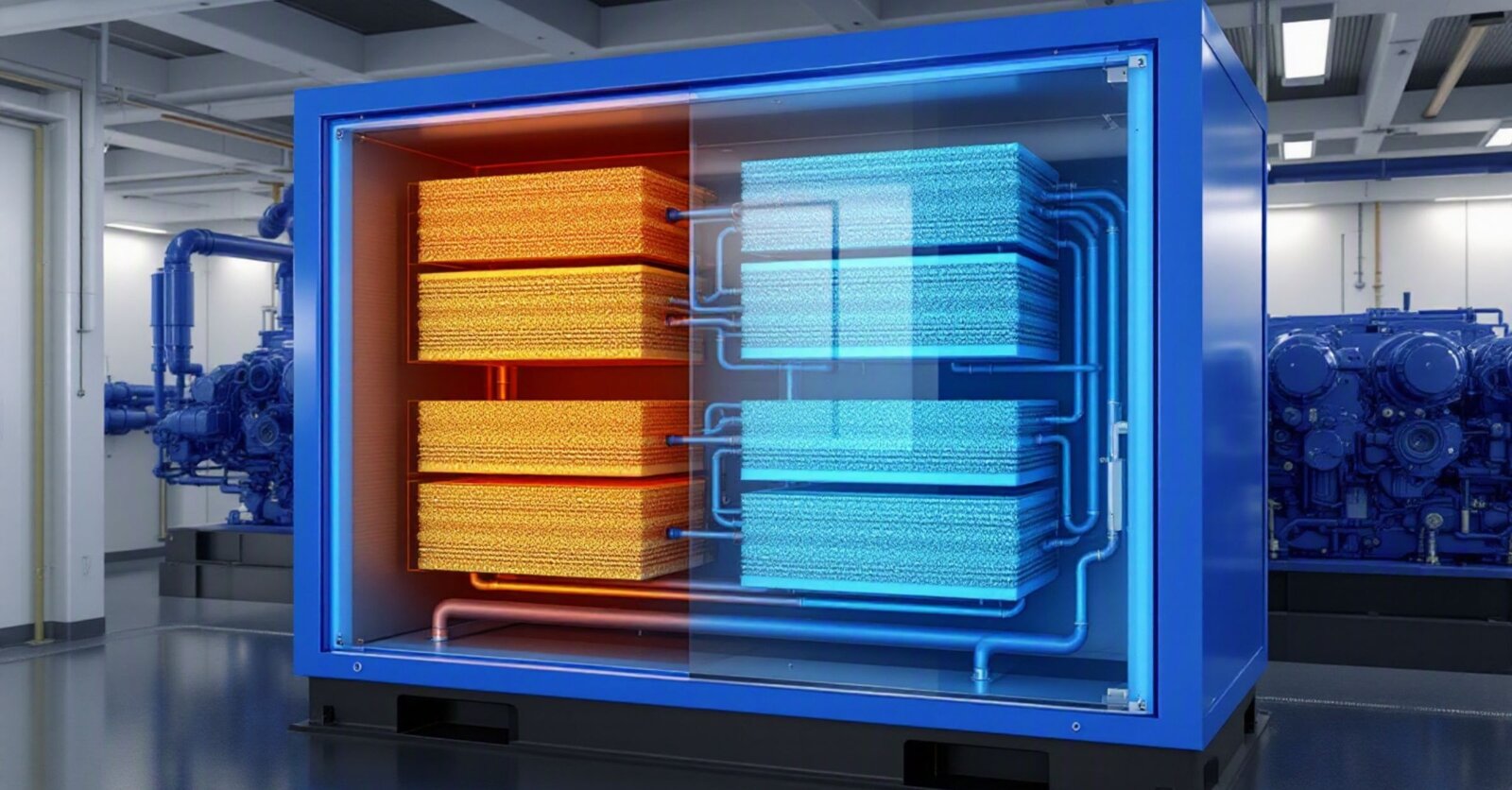
<p> <span style="color: #1f1f1f;">A modern marine diesel engine is a powerhouse, but it has a physical limitation: more than 50 per cent of the fuel energy used is lost as waste heat. Adsorption chillers offer a solution for shipbuilding.</span><span style="color: #1f1f1f;"> Instead of using electricity from additional diesel generators to power mechanical refrigeration units, they convert the waste heat already generated by the ship’s propulsion system into useful cooling on board. This is becoming increasingly important in light of the IMO’s regulatory requirements for</span><span style="color: #1f1f1f;">CO₂ reduction through the EEDI (Energy Efficiency Design Index) and the CII (Carbon Intensity Indicator).</span> </p>
<div class="hs-featured-image-wrapper">
<a href="https://blog.aquatherm.de/en-gb/ship-construction-piping-routes-technical-zones" title="" class="hs-featured-image-link"> <img src="https://blog.aquatherm.de/hubfs/Blog/Aufbau%20eines%20Schiffes/aufbau-eines-schiffes-struktur-leitungswege-technische-zonen.jpg" alt="Ship construction: structure, piping routes & technical zones" class="hs-featured-image" style="width:auto !important; max-width:50%; float:left; margin:0 15px 15px 0;"> </a>
</div>
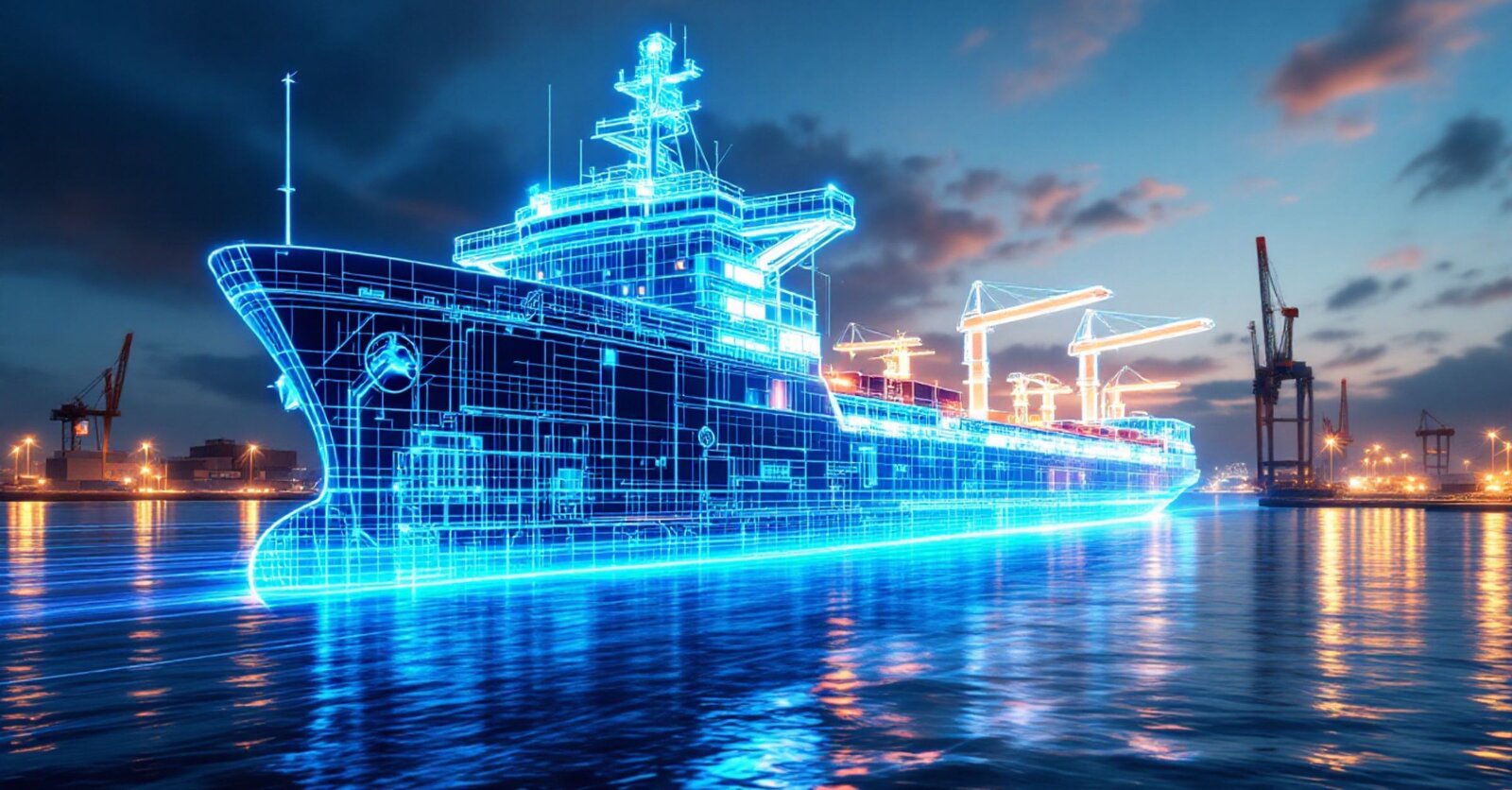
<p style="color: #2d2d2d;"><span>In the modern maritime industry, a ship is far more than just a means of transport. Its construction is comparable to that of a highly complex floating industrial power plant. For shipyards and designers, the vessel’s structure forms the physical framework that determines the efficiency of the technical infrastructure, while the piping routes act as its nervous system, ensuring all vital functions operate reliably.</span></p>
<p style="color: #2d2d2d;"><span>One of central challenges in modern projects is integrating these systems within highly confined spaces while maintaining maximum reliability and minimising maintenance costs (OPEX). </span><span>Furthermore, it is essential to meet the increasing requirements of IMO regulations and efficiency standards such as EEXI through integrated piping engineering.</span></p>
<div class="hs-featured-image-wrapper">
<a href="https://blog.aquatherm.de/en-gb/ballast-water-shipbuilding-fundamentals-regulations-technology" title="" class="hs-featured-image-link"> <img src="https://blog.aquatherm.de/hubfs/Blog/Ballastwasser%20im%20Schiffbau/ballastwasser-im-schiffbau-grundlagen-vorschriften-technik.jpg" alt="Ballast Water in Shipbuilding: Fundamentals, Regulations & Technology" class="hs-featured-image" style="width:auto !important; max-width:50%; float:left; margin:0 15px 15px 0;"> </a>
</div>
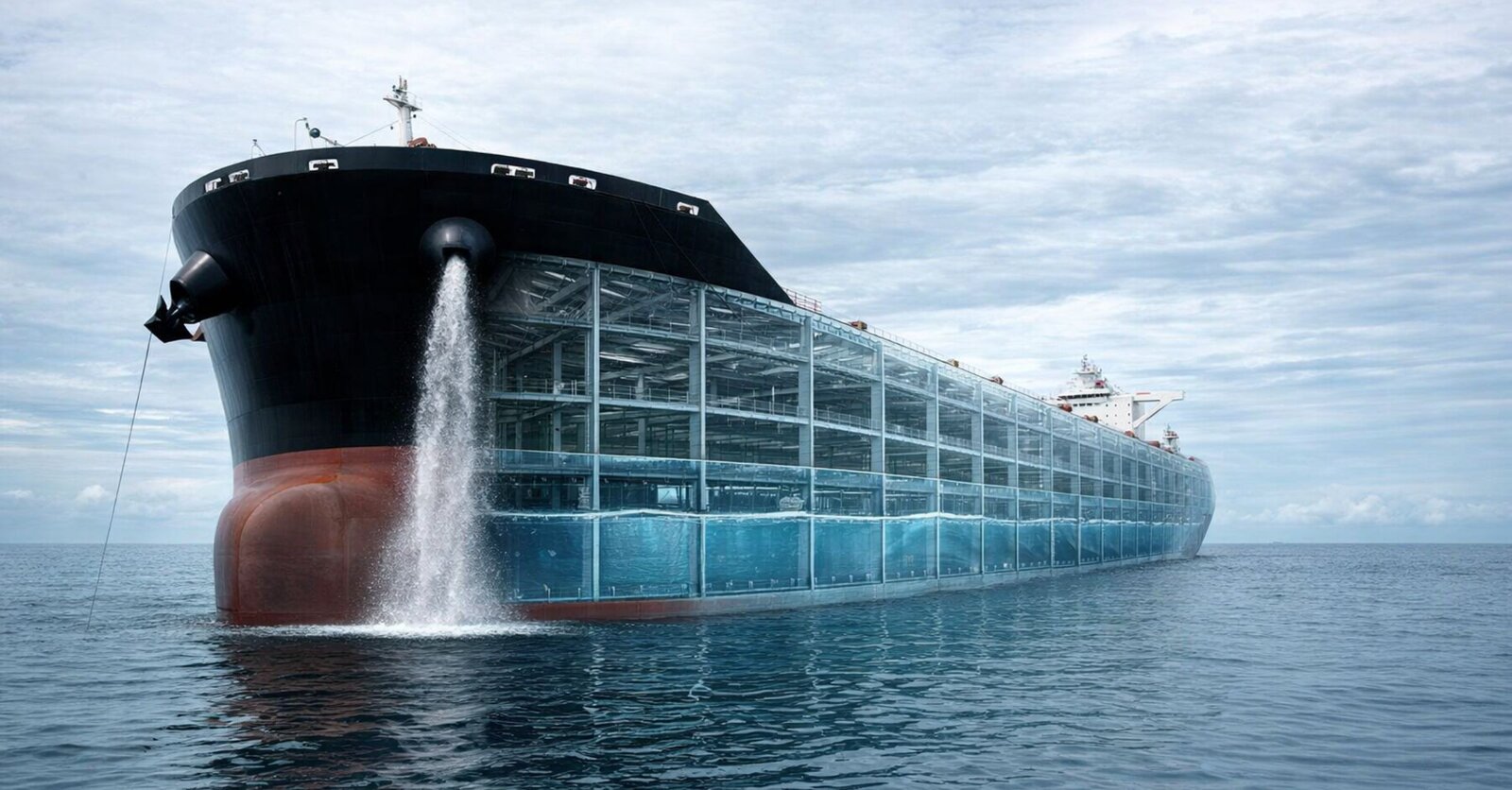
<p><span style="line-height: 21.85px;"> <span style="color: #2d2d2d;">Safe and efficient maritime transport would hardly be conceivable without the targeted use of ballast water as additional weight for stabilisation. However, the global scale of this practice is enormous. According to figures from the </span><a href="https://www.imo.org/en/mediacentre/secretarygeneral/pages/mepc-65-opening.aspx" style="color: #05a535;">International Maritime Organization (IMO)</a><span style="color: #2d2d2d;"> and the </span><a href="https://clearseas.org/insights/ballast-water-management-stopping-the-spread-of-invasive-species-by-ships/" style="color: #05a535;">Canadian organisation Clear Seas</a><span style="color: #2d2d2d;">, between five and ten billion tonnes of ballast water are transferred internationally each year. However, these vast volumes of water also carry stowaways: microorganisms, bacteria, small invertebrates, as well as eggs and larvae of a wide variety of species. They are taken up with the water, transported across the world’s oceans in ballast tanks, and released again in foreign ports.</span> </span></p>
<div class="hs-featured-image-wrapper">
<a href="https://blog.aquatherm.de/en-gb/plastic-pipes-in-ship-building-a-strong-alternative-to-metal" title="" class="hs-featured-image-link"> <img src="https://blog.aquatherm.de/hubfs/Blog/Schiffbau/aqa_blogtitel_1200x627%20(3).jpg" alt=" Plastic pipes in shipbuilding: a strong alternative to metal" class="hs-featured-image" style="width:auto !important; max-width:50%; float:left; margin:0 15px 15px 0;"> </a>
</div>
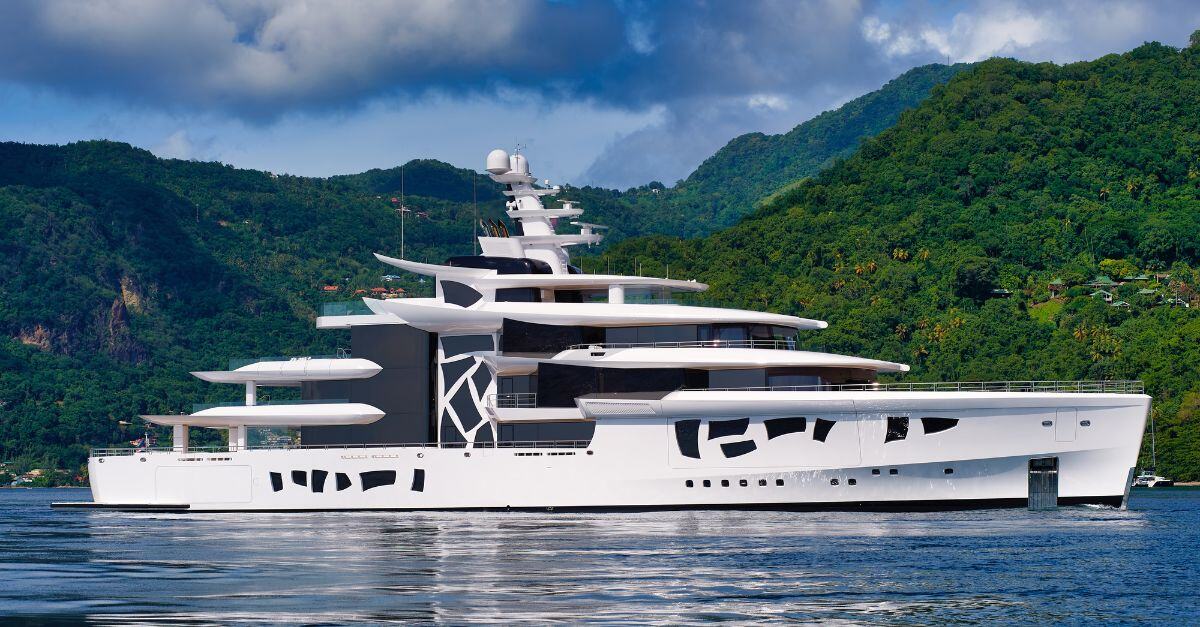
<p> <span style="color: #2d2d2d;">How can the modern shipbuilding industry meet the increasing challenges of weight, corrosion and environmental sustainability? Plastic pipes offer an economical and technically sophisticated solution in shipbuilding compared to traditional metal pipe systems. This article highlights the unique properties and benefits of plastic marine piping systems. Find out how the pipes set new standards in shipbuilding with their lightweight design and corrosion resistance.</span> </p>

<div class="hs-featured-image-wrapper">
<a href="https://blog.aquatherm.de/en-gb/how-to-make-construction-projects-more-efficient" title="" class="hs-featured-image-link"> <img src="https://blog.aquatherm.de/hubfs/Blog/Vorfertigung%20schneller%20und%20effizienter/aqa_1200x627_titelbild_mit_vorfertigung_schneller_und_effizienter_werden.jpg" alt="Prefabrication: How to make construction projects more efficient" class="hs-featured-image" style="width:auto !important; max-width:50%; float:left; margin:0 15px 15px 0;"> </a>
</div>
<p><span style="color: #2d2d2d;">Changes to plans, extensive coordination between trades, and logistical bottlenecks are part of everyday life on many construction sites. Prefabrication allows construction projects to be organised more efficiently, as key work stages can be prepared earlier and processes on-site can be better coordinated. In this article, you will learn where a lot of time is often lost in the construction process, how the prefabrication process works in pipework construction, and how assembly, coordination, and scheduling can be significantly improved.</span> </p>
<div class="hs-featured-image-wrapper">
<a href="https://blog.aquatherm.de/en-gb/prefabrication-practical-benefits" title="" class="hs-featured-image-link"> <img src="https://blog.aquatherm.de/hubfs/Blog/Vorteile%20bei%20der%20Vorfertigung/vorteile-bei-der-vorfertigung.jpg" alt="Prefabrication: Practical benefits" class="hs-featured-image" style="width:auto !important; max-width:50%; float:left; margin:0 15px 15px 0;"> </a>
</div>
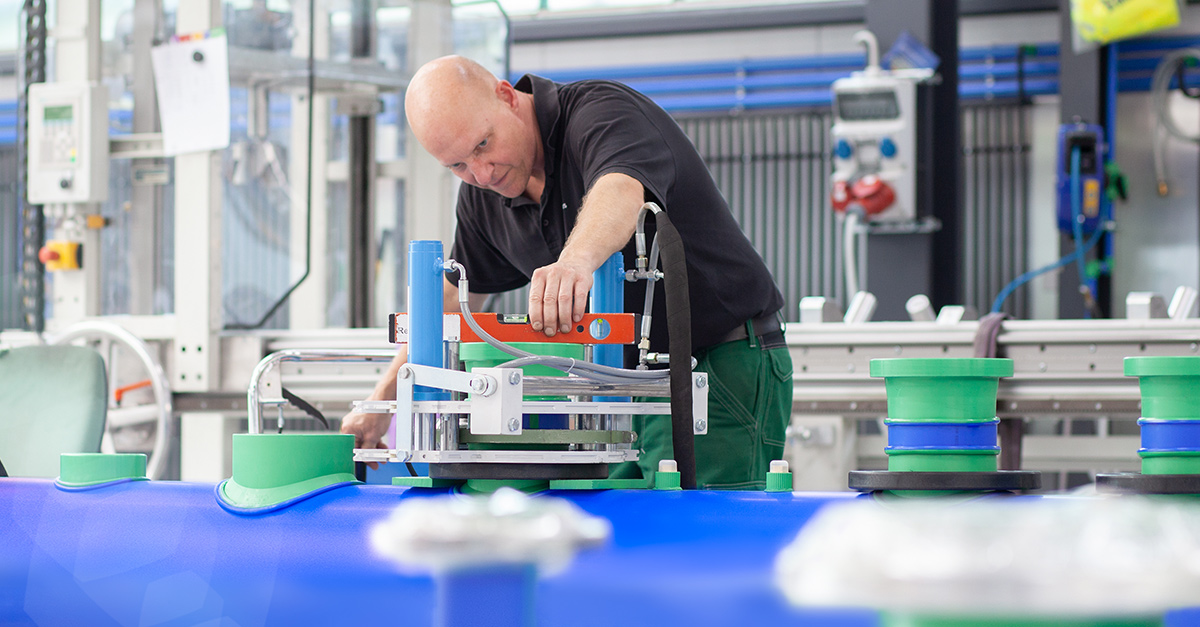
<span style="color: #2d2d2d;">In modern pipework construction, the trend towards prefabricated manifolds and special components is becoming increasingly prevalent. Prefabrication is particularly important where individual requirements, high quality standards, and demanding construction projects converge. In this article, you will learn what prefabrication is, why it makes sense, and in which areas of application it demonstrates its strengths.</span>
<br>

<div class="hs-featured-image-wrapper">
<a href="https://blog.aquatherm.de/en-gb/district-heating-planning-designing-heating-networks-correctly" title="" class="hs-featured-image-link"> <img src="https://blog.aquatherm.de/hubfs/Blog/Fernw%C3%A4rmenetz%20planen/fernwaerme-planung-waermenetze-richtig-konzipieren.jpg" alt="District heating planning: Designing heating networks correctly" class="hs-featured-image" style="width:auto !important; max-width:50%; float:left; margin:0 15px 15px 0;"> </a>
</div>
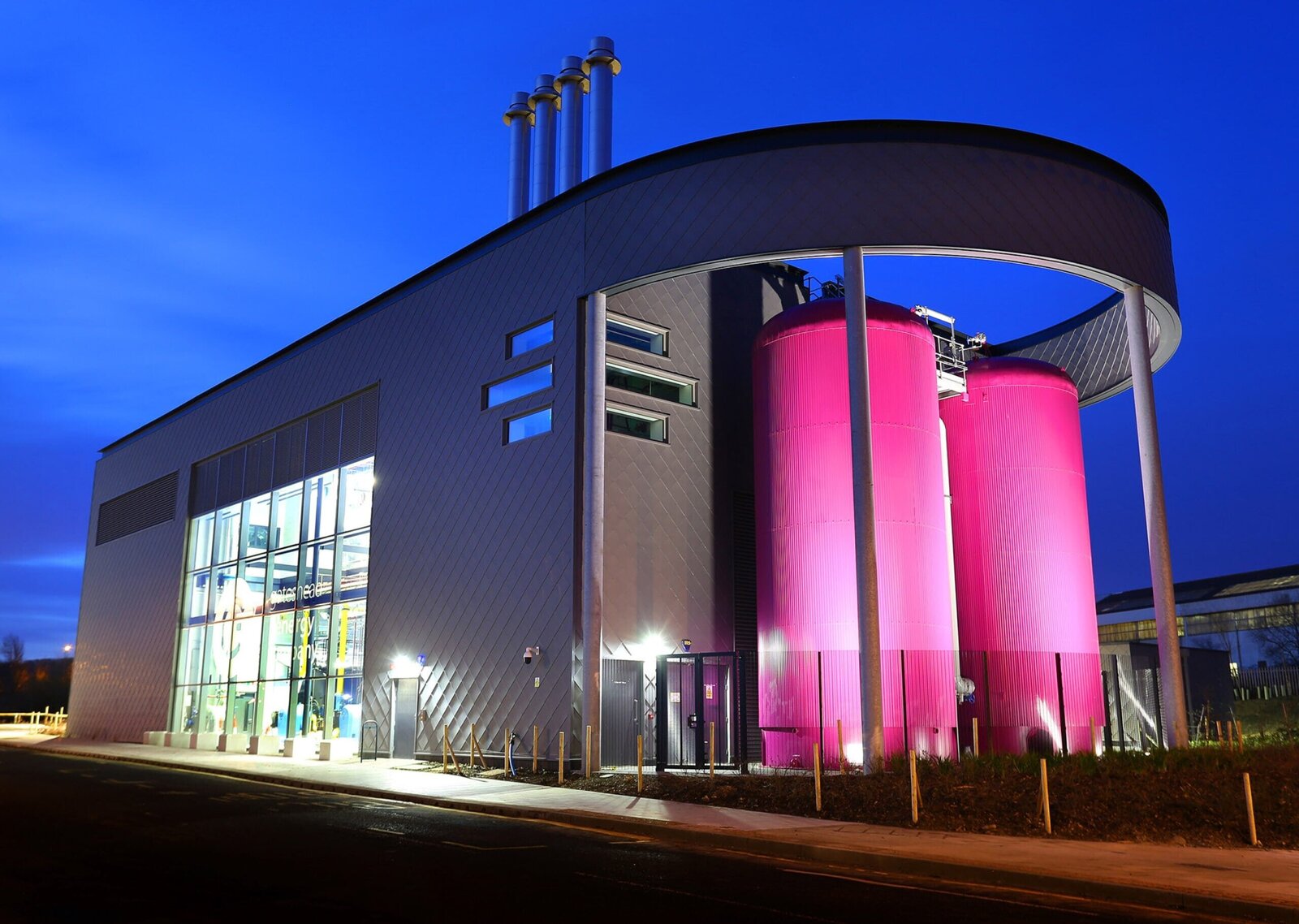
<p><span>One of the key factors driving the global heat transition is the planning and expansion of district heating networks. In urban areas especially, district heating provides an opportunity to make heat supply climate-neutral, scalable, and economical. Achieving this, however, begins with strategically thought-out planning.</span></p>
<h2></h2>